
The best deal structure is the one that matches your personal priorities — cash needs, risk tolerance, and desire for future upside. This guide expands the pillar’s framework into a practical decision tool so sellers can choose deliberately rather than by default.
Read MoreInsights
Practical insights and expert guidance on CPA firm M&A, valuations, EBITDA optimization, private equity trends, and exit strategies. Ashley-Kincaid provides timely, data-driven analysis to help CPA firm owners navigate sales, succession planning, and maximize firm value.
Before you accept any CPA firm offer, these 12 deal-structure questions surface the real differences in cash, risk, tax treatment, and residual exposure. Built directly on the framework in Ashley-Kincaid’s deal-structures pillar.
Read MoreCompetition creates leverage. This 2026 playbook expands the five key negotiation levers from Ashley-Kincaid’s deal-structures pillar into actionable tactics sellers can use to improve cash percentage, rollover terms, earnout protections, and overall net proceeds.
Read MoreSeller notes can improve a deal package, but they carry real credit and subordination risk. This guide expands the key terms every CPA firm seller must understand and negotiate — interest, security, amortization, subordination, and remedies — so you know whether a note is relatively safe or quietly dangerous.
Read MoreEarnouts can bridge valuation gaps, but poorly designed ones leave significant value at risk. This guide expands the critical protections every CPA firm seller should negotiate — metrics, definitions, operational change safeguards, and acceleration rights.
Read MoreNot all rollover equity is equal. This practical 2026 checklist expands the key quality factors every CPA firm seller should examine before accepting PE rollover terms — so you can tell high-quality upside from mostly theoretical equity.
Read MoreThe legal and personal terms that govern your post-sale life — non-competes, employment agreements, and retention provisions — differ meaningfully between PE and strategic deals. Here’s what sellers need to understand and negotiate in 2026.
Read MorePrivate equity does not always produce the best outcome. This guide outlines the specific situations in 2026 where strategic CPA buyers outperform PE platforms on total value, cultural fit, certainty, or lifestyle — and how to recognize them.
Read MorePE platforms and strategic CPA buyers run very different processes. This guide compares typical timelines, due diligence intensity, data-room demands, exclusivity periods, and certainty of close — and when speed should matter more than maximum enterprise value.
Read MoreThe “second bite of the apple” is one of the most powerful — and most misunderstood — elements of a PE deal. This guide explains how to evaluate rollover equity quality, platform exit timelines, and real upside potential in 2026 CPA firm transactions.
Read MorePrivate equity cannot simply buy a CPA firm the traditional way. This guide explains Alternative Practice Structures (APS) in plain language — how the attest/non-attest split works, what the Administrative Services Agreement means, and what selling partners must understand before accepting a PE offer.
Read MoreOne of the most common concerns CPA firm owners have is what happens to their firm’s culture after a sale. This guide compares how PE platforms introduce systems and standardization versus the closer cultural continuity often found with strategic buyers — and how to assess fit before you sign.
Read MoreRising or falling interest rates can have a meaningful impact on what buyers are willing to pay for your CPA firm. Here’s what sellers need to know in 2026.
Read MoreEven strong CPA firms lose significant value due to poor EBITDA normalization. Here are the most common mistakes buyers see — and how to avoid them.
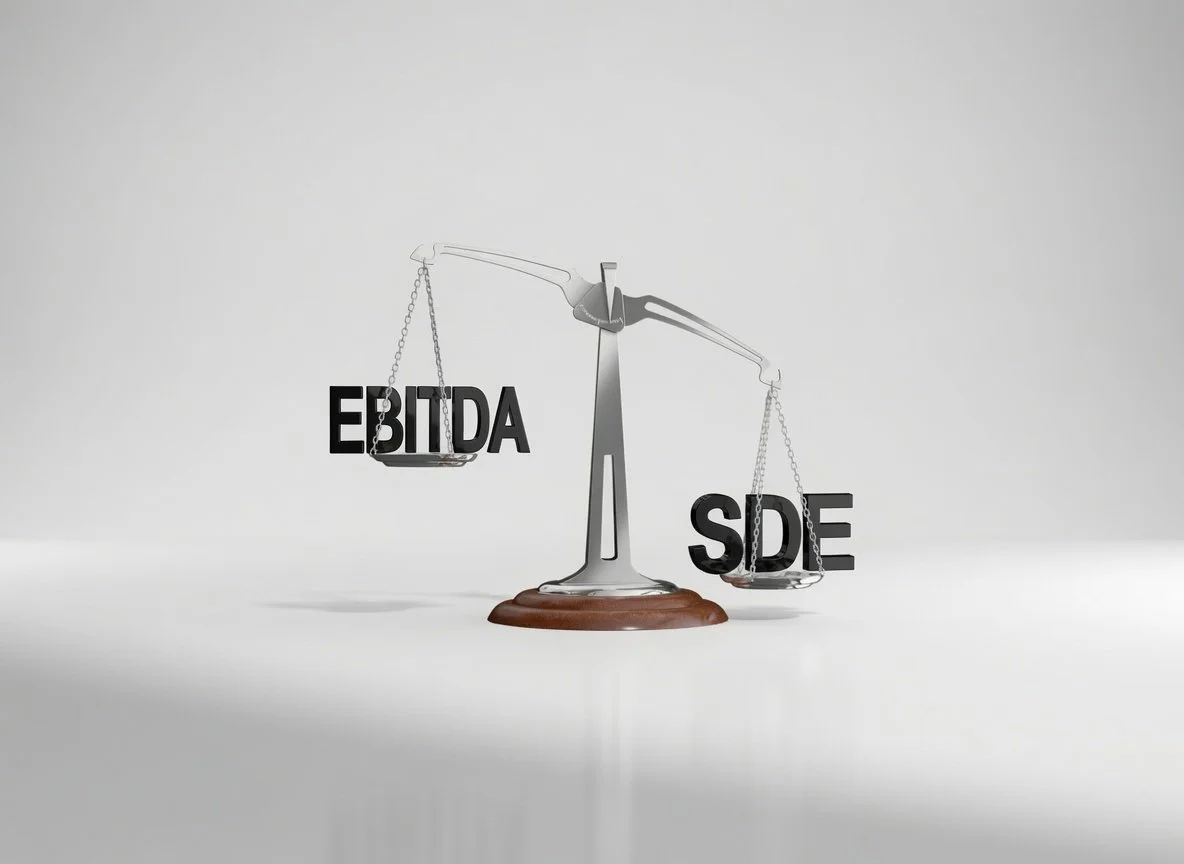
Read MoreChoosing the right valuation metric can significantly impact your CPA firm’s sale price. Here’s a clear comparison of SDE vs Normalized EBITDA and which one buyers prefer in 2026.
Read MoreHigh partner and staff retention risk is one of the biggest red flags in 2026 CPA firm M&A. In LBO models, it can trigger adjustments as large as -0.6x. Here’s exactly how buyers score this factor and what you can do to strengthen your team and boost your valuation.
Read MoreModern technology is no longer a “nice-to-have” — it’s a major valuation driver in 2026 CPA firm M&A. In LBO models, strong technology infrastructure can add up to +0.5x to your EBITDA multiple. Here’s how buyers evaluate it and what upgrades deliver the biggest impact.
Read MoreConsistent organic growth is one of the most powerful qualitative factors in 2026 CPA firm M&A. In LBO-based models, strong annual growth can add up to +0.5x to your EBITDA multiple. Here’s exactly how buyers score this factor and what proactive steps can significantly increase your valuation.
Read MoreWhile high recurring revenue is important, sophisticated PE buyers in 2026 also scrutinize your overall service mix. The quality, profitability, and scalability of your engagements — especially the balance between compliance and higher-value advisory/CAS work — can add or subtract 0.15x to 0.10x (or more) from your multiple in LBO-based valuations.
Read MoreYour service mix has a major impact on valuation. Firms with strong CAS and advisory revenue typically achieve higher multiples than those heavily reliant on seasonal tax work.
Read More